Hour 12:53
10 Feb 26
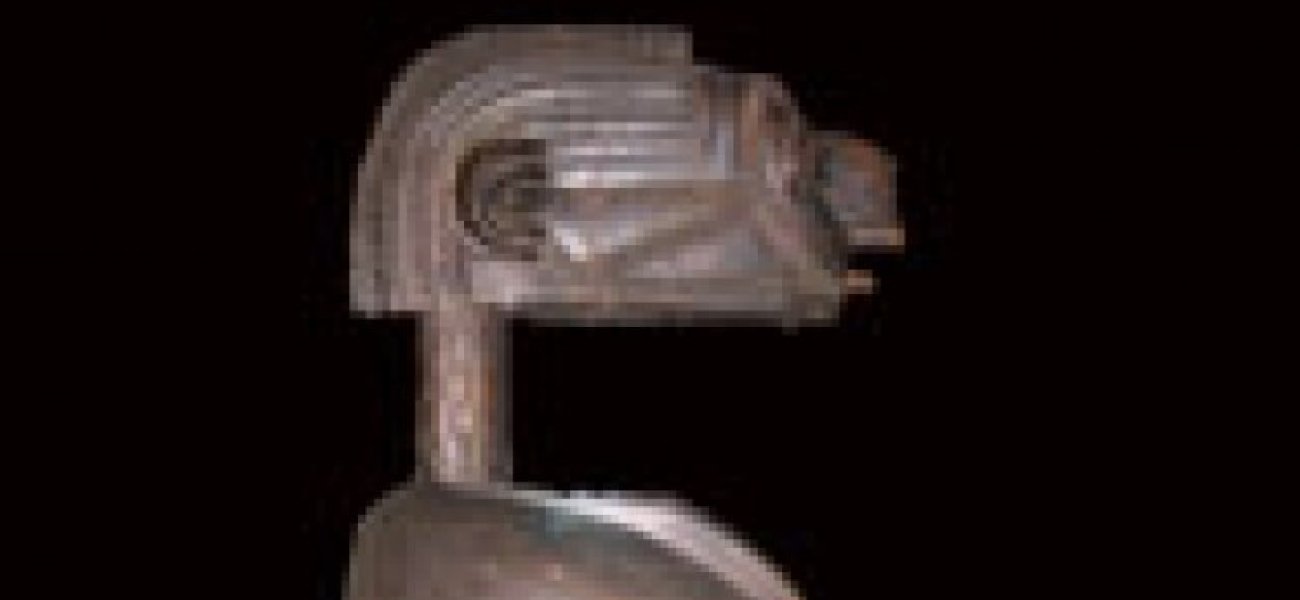
Sub-Saharan Africa, where African art reached its height, extends from the western margins to the central regions of the continent.
Sub-Saharan Africa, where African art reached its height, extends from the western margins to the central regions of the continent. This land is rooted in ancient myths and magical beliefs that express a relationship between deities and supernatural powers. African art, originally understood by Africans as an expression of personal tendencies, social and political roles, and religious beliefs and rituals, was recognized and studied as “art” by Europeans only in the early twentieth century.
African art is deeply connected to religion, daily life, environment, and ethnic traditions. Masks and sculptures are its most prominent forms and play a vital role in both religious and non-religious ceremonies, such as rituals for fertility, rainmaking, and ancestral worship. This art is collective and functional rather than individual, and its meaning goes far beyond visual appearance. Objects serve as symbols and are believed to contain spiritual and magical power.
The artistic expression of African cultures emphasizes rhythm and movement, not only in dance but also through form, line, volume, color, architecture, sculpture, and poetry. Materials such as wood, stone, metal, and especially gold are commonly used.
The African artwork displayed in the Private Library of Niavaran Palace originates from Guinea, a West African country with diverse geography and rich cultural history. The sculpture on display is called “Nimba,” a fertility goddess figure from the Baga tribe. Made of black-painted wood, the sculpture features chain-like facial decorations extending toward the ears and across the head, neck, and chest. These elements are not merely decorative but serve as spiritual intermediaries for communicating with ancestral spirits.
This sculpture was presented to the Pahlavi court during the African Art Exhibition held in Tehran in the autumn of 1978 (1356 SH) and has since been exhibited at the Niavaran Private Library.